BSU Discusses Recognizing Artificial Intelligence as Inventor in Patent Law
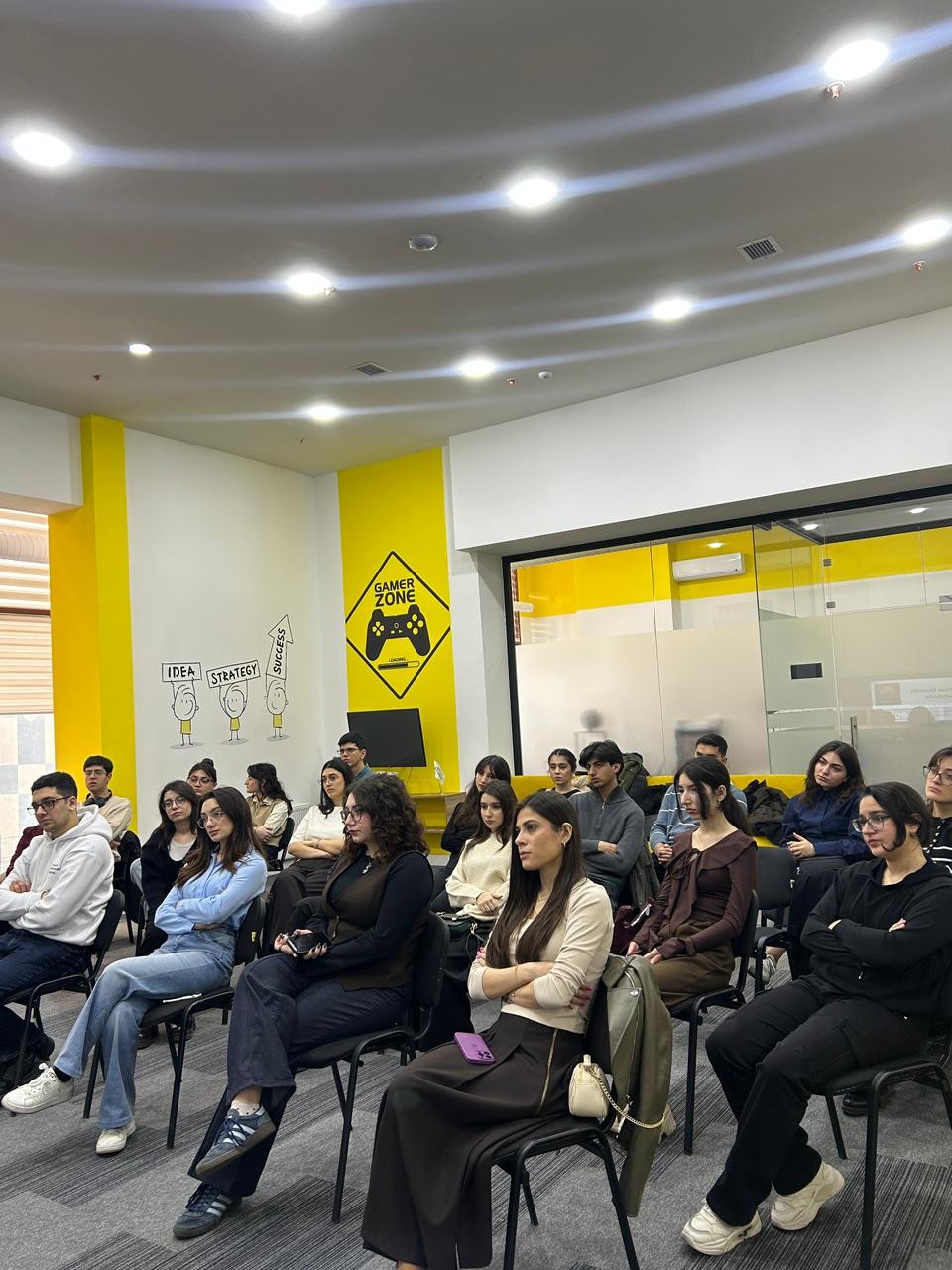
A regular meeting dedicated to March 27, Science Day, was held at the Faculty of Law of Baku State University (BSU) as part of the "Legal Discussion Forum" project.
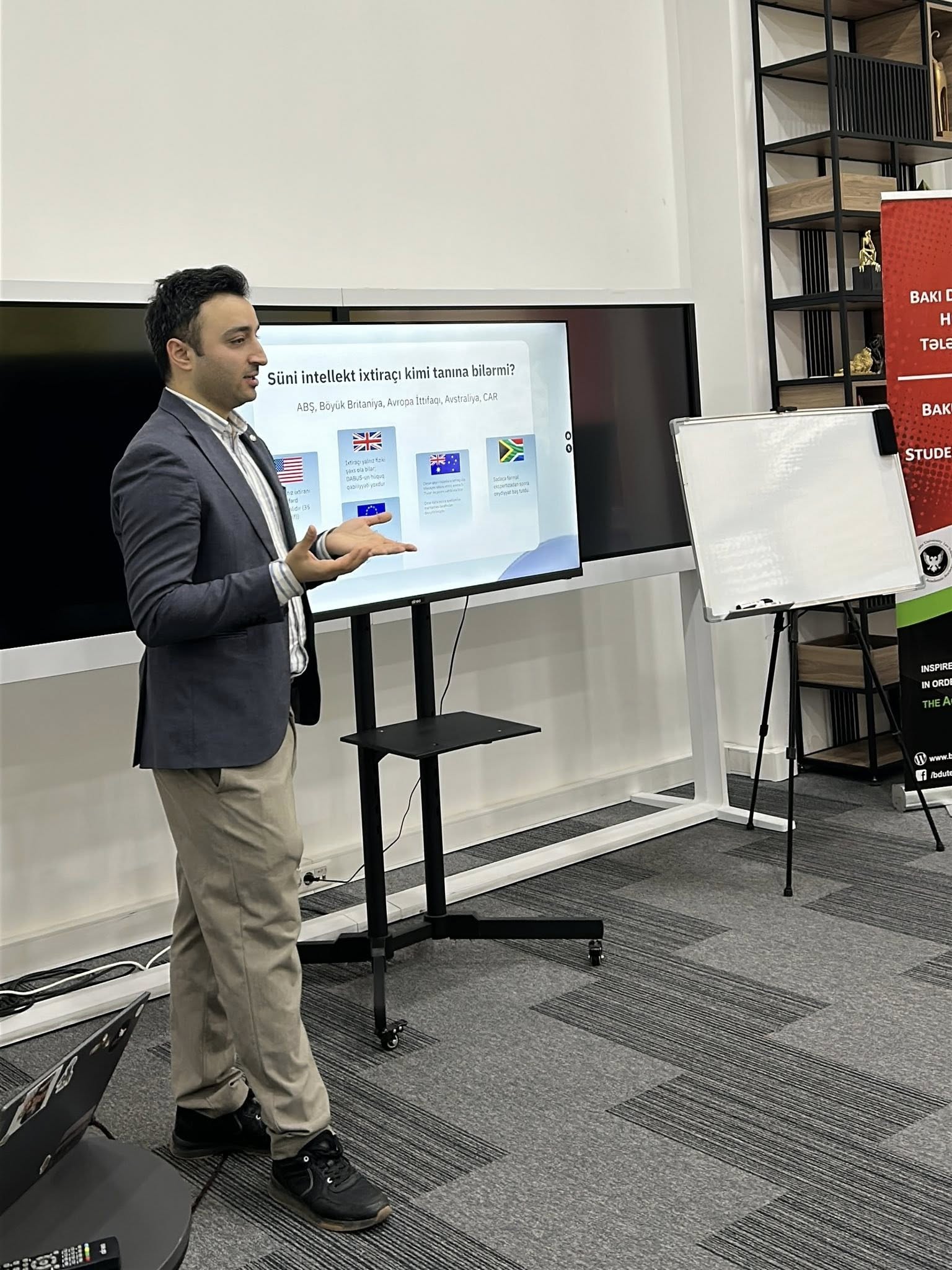
The meeting, attended by Elnur Kerimov, a senior lecturer at ADA University and Doctor of Law, discussed the topic of "Recognizing Artificial Intelligence as an Inventor in Patent Law."
During the discussion, both theoretical and practical aspects of the issue were analyzed from a legal perspective. It was noted that the question of whether artificial intelligence possesses inventive ability is assessed within the context of the relationship between inventiveness and human creativity, legal subjectivity, and legal capacity. In this context, it was emphasized that, according to the Patent Law, an inventor is considered to be an individual who created an invention, and patent rights belong to that individual. Consequently, artificial intelligence systems cannot acquire the status of inventor as a legal entity within the legal system.
It was noted that the legal status of inventions created using artificial intelligence was examined based on specific judicial precedents. In particular, reference was made to the decision of the US Court of Federal Appeals in the case of Thaler v. Vidal. It was stated that this court found assigning inventor status to an artificial intelligence system to be unlawful and confirmed that the concept of inventor applies only to humans. It was also noted that the UK and the European Patent Office also hold similar positions, noting that artificial intelligence is not recognized as an independent inventor in international practice.
The issue of recognizing artificial intelligence as an inventor in patent law is a complex legal problem that requires a review of not only technological but also legal subjectivity, liability, and the concepts of intellectual property rights holder.
The meeting continued with questions and discussions on this topic.